
What Causes Bloating in Women
What Causes Bloating in Women: Top Triggers and Easy Remedies
Have you ever felt that uncomfortable tightness or fullness in your belly that just won’t go away? If so, you’re not alone.
Bloating is a common issue many women face, but understanding what causes it can help you take control of your body and feel better fast. From the foods you eat to the natural changes in your hormones, several factors might be behind your bloated stomach.
You’ll discover the key reasons why bloating happens in women, simple lifestyle changes that can make a big difference, and when it’s time to seek medical advice. Keep reading to unlock the secrets to a flatter, more comfortable belly—you deserve to feel your best every day.

Credit: www.factvsfitness.com
Common Dietary Triggers
Certain foods can cause bloating in women by increasing gas or water retention. Identifying common dietary triggers helps manage discomfort. This section highlights key food types that often lead to bloating.
Gas-producing Foods
Beans, lentils, broccoli, and onions release gas during digestion. Carbonated drinks add extra gas to the stomach. Apples and wheat contain fibers that ferment in the gut. This fermentation produces gas and bloating.
Food Intolerances
Lactose intolerance causes bloating after dairy intake. Fructose intolerance leads to gas and swelling in the belly. Gluten sensitivity can also trigger bloating and discomfort. Avoiding these foods may reduce bloating symptoms.
Artificial Sweeteners
Sorbitol and xylitol are common sugar substitutes. They are hard to digest and ferment in the gut. This fermentation creates gas and bloating. Many diet drinks and sugar-free gums contain these sweeteners.
High-fat And Salty Foods
High-fat meals slow down digestion, causing fullness and bloating. Salty foods increase water retention in the body. This extra fluid leads to a swollen feeling in the abdomen. Limiting these foods can ease bloating.

Credit: toneop.care
Lifestyle Factors
Lifestyle choices play a key role in bloating for many women. Daily habits affect digestion and gas buildup. Simple changes can reduce discomfort and improve gut health. Understanding these factors helps manage bloating better.
Swallowing Air Habits
Swallowing excess air causes gas to build up in the stomach. Chewing gum, smoking, or drinking through straws increases swallowed air. Talking while eating also traps air. This air creates pressure and bloating in the abdomen.
Reducing these habits lowers swallowed air and bloating. Eating quietly and avoiding straws helps. Small changes bring big relief.
Eating Speed And Portion Size
Eating too fast causes swallowing more air and poor digestion. Large portions overload the stomach and slow digestion. Both lead to gas and bloating.
Eating slowly allows better digestion and less air intake. Smaller meals reduce stomach pressure. These habits ease bloating symptoms.
Physical Activity Levels
Low physical activity slows digestion and causes constipation. This traps gas and leads to bloating. Regular movement helps food pass through the gut smoothly.
Walking or light exercise after meals speeds digestion. Active lifestyles reduce bloating and improve overall gut health.
Hormonal Influences
Hormones play a major role in causing bloating in women. Changes in hormone levels affect the digestive system and fluid balance. These shifts often happen during the menstrual cycle and other hormonal phases. Understanding how hormones influence bloating can help women manage discomfort better.
Menstrual Cycle Effects
The menstrual cycle causes hormone levels to rise and fall. Estrogen and progesterone fluctuate throughout the month. These changes affect the digestive tract and can slow digestion. Slow digestion traps gas in the intestines, causing bloating.
Before a period, progesterone levels increase. This hormone can lead to constipation and water retention. Both factors contribute to a feeling of fullness and swelling. Many women report more bloating just before their period starts.
Water Retention Patterns
Hormones also control how the body holds onto water. Higher estrogen levels can cause the body to retain more fluids. This extra fluid collects in tissues, causing puffiness and bloating.
Water retention often appears in the abdomen, legs, and hands. It can make clothes feel tighter and cause discomfort. The body usually releases this excess water after the menstrual period ends.
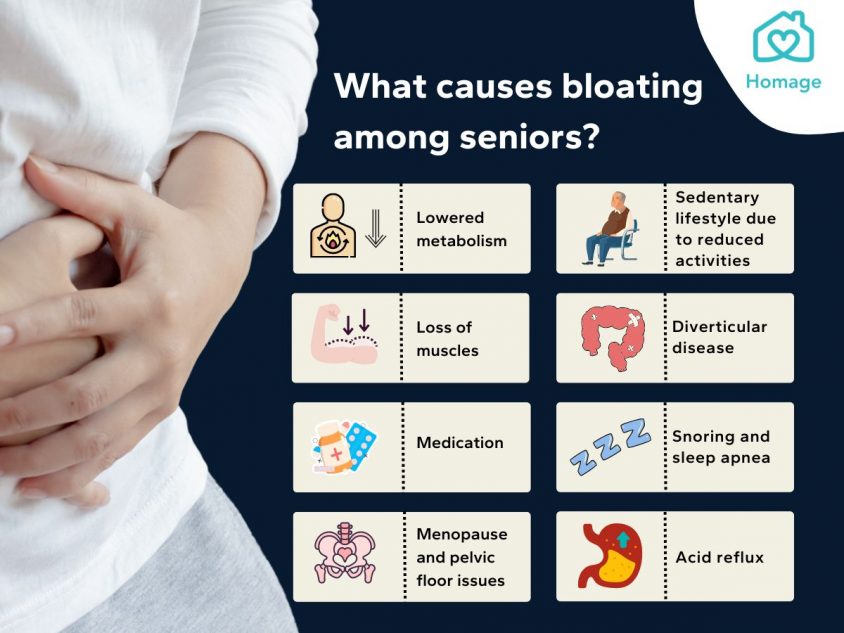
Credit: www.homage.com.my
Medical Conditions
Several medical conditions can cause bloating in women. These conditions affect the digestive system or reproductive organs. They often lead to discomfort and visible swelling in the abdomen. Recognizing these causes helps in seeking proper treatment.
Irritable Bowel Syndrome
Irritable Bowel Syndrome (IBS) is a common gut disorder. It causes bloating, stomach pain, and changes in bowel habits. Many women with IBS feel frequent discomfort. The exact cause is unknown, but stress and diet can trigger symptoms.
Small Intestinal Bacterial Overgrowth
Small Intestinal Bacterial Overgrowth (SIBO) happens when bacteria grow too much in the small intestine. This overgrowth causes gas and bloating. It may also cause diarrhea or constipation. SIBO often results from poor digestion or other gut problems.
Celiac Disease
Celiac Disease is an autoimmune disorder triggered by gluten. Eating gluten damages the small intestine lining. This damage causes bloating, diarrhea, and weight loss. People with celiac must avoid gluten completely to feel better.
Gastroparesis
Gastroparesis slows down stomach emptying. Food stays longer in the stomach than normal. This delay causes bloating, nausea, and fullness. Diabetes and nerve damage often cause gastroparesis. Managing it requires diet changes and sometimes medication.
Gynecological Issues
Gynecological problems like ovarian cysts or fibroids can cause bloating. These issues put pressure on the abdomen. Women may also experience pain or changes in their menstrual cycle. A doctor’s exam can identify these conditions.
Ovarian Cancer Warning Signs
Ovarian cancer can cause persistent bloating. Other symptoms include pelvic pain, feeling full quickly, and urinary changes. Early detection is crucial for treatment. Women should see a doctor if bloating lasts more than two weeks without clear cause.
Practical Remedies
Practical remedies help manage bloating by targeting its common causes. Simple changes in daily habits can reduce discomfort. These adjustments improve digestion and lessen gas buildup. Consistent care often leads to noticeable relief.
Diet Adjustments
Choose foods that are easy to digest and low in gas. Avoid beans, broccoli, onions, and carbonated drinks. Limit dairy if lactose intolerant. Reduce intake of artificial sweeteners like sorbitol. Eat smaller portions to ease digestion. Focus on whole grains, fruits, and vegetables that do not cause bloating.
Eating And Drinking Tips
Eat slowly and chew food well to prevent swallowing air. Avoid gum, straws, and smoking, which increase air intake. Drink water at room temperature instead of cold drinks. Have smaller, more frequent meals instead of large ones. Sit upright while eating to help digestion. Taking a short walk after meals can reduce bloating.
Increasing Physical Activity
Regular exercise stimulates bowel movements and reduces gas. Walking, yoga, or gentle stretching helps move trapped air. Physical activity also reduces fluid retention. Aim for at least 30 minutes daily to improve digestion. Avoid sitting for long periods, which can worsen bloating.
Tracking Symptoms
Keep a journal of foods eaten and bloating episodes. Note the time of day and any related symptoms. Tracking helps identify triggers like certain foods or habits. Share this information with a healthcare provider if bloating persists. Understanding patterns guides better management and relief.
When To Seek Help
Bloating is common and often harmless. Most women experience mild bloating due to diet or hormonal changes. Knowing when bloating needs medical attention is important. Some symptoms signal a need for professional care. Early help can prevent complications and improve comfort.
Persistent Or Severe Bloating
Bloating lasting more than two weeks needs a check-up. Severe bloating that causes pain or discomfort also requires attention. Sudden weight loss or feeling full quickly can indicate problems. Do not ignore bloating that worsens over time. Persistent bloating may signal digestive disorders or other health issues.
Associated Symptoms To Watch For
Watch for symptoms that appear with bloating. These include abdominal pain, nausea, or vomiting. Changes in bowel habits like diarrhea or constipation matter. Blood in stool or unexplained fatigue are warning signs. If you notice these, seek medical advice promptly. Early diagnosis helps manage serious conditions effectively.
Frequently Asked Questions
How To Stop Bloating As A Female?
Eat slowly and chew well to reduce swallowed air. Avoid gas-producing foods and artificial sweeteners. Drink water and stay active daily. Sit upright and take short walks after meals. Track symptoms and consult a doctor if bloating persists or worsens.
What Is The Main Cause Of Bloating In Women?
The main cause of bloating in women is hormonal shifts during the menstrual cycle. Diet, swallowing air, constipation, and digestive conditions also contribute.
Why Is My Belly Swollen Like I'm Pregnant?
Your belly may swell due to gas, water retention, constipation, or hormonal changes. Certain foods and digestive issues also cause bloating. Persistent swelling needs medical evaluation to rule out serious conditions.
When Should I Be Worried About Bloating?
Be worried about bloating if it is severe, persistent, or accompanied by weight loss, pain, or changes in bowel habits. Seek medical advice promptly.
Conclusion
Bloating in women has many causes, from diet to hormones. Eating habits and food choices often play a big role. Some medical conditions also lead to bloating and discomfort. Paying attention to your body helps identify triggers early. Simple lifestyle changes can reduce bloating and improve comfort.
Persistent bloating deserves medical advice to rule out serious issues. Understanding these causes helps manage bloating effectively every day.

.png)


