
Signs of Vitamin Deficiency in Women
Signs of Vitamin Deficiency in Women: Top Symptoms You Must Know
Are you feeling tired all the time, struggling with dry skin, or noticing changes in your hair? These could be signs that your body is missing important vitamins.
Vitamin deficiency in women is more common than you might think, and it can quietly affect your health and energy levels. Knowing the early signs can help you take control before small issues turn into bigger problems. Keep reading to discover the key symptoms you shouldn’t ignore and how to boost your vitamin levels for a healthier, happier you.

Credit: www.blisswelness.com
Common Vitamin Deficiencies
Vitamin deficiencies affect many women worldwide, impacting energy, mood, and overall health. Recognizing common vitamin deficiencies is key to maintaining female nutritional health. Nutrient deficiencies in women often show subtle signs but can lead to serious health problems if ignored. Understanding the vitamin deficiency symptoms helps in early vitamin deficiency diagnosis and treatment. Below, we explore four common vitamin shortages that affect women’s well-being.
Vitamin D Shortage
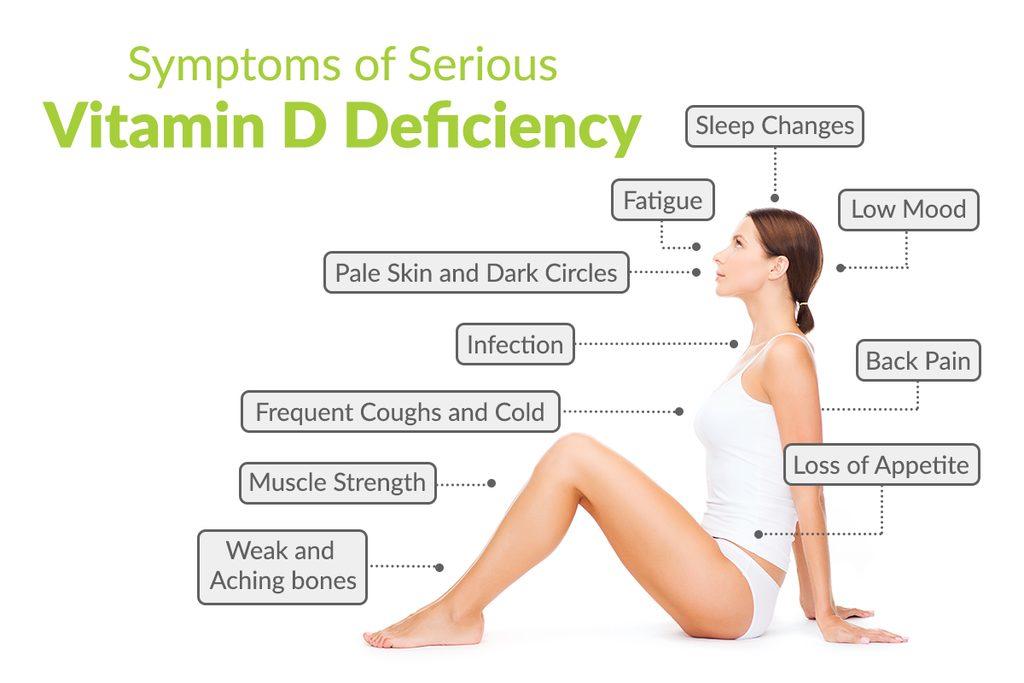
Signs of low vitamin D include fatigue, bone pain, and muscle weakness. Vitamin D helps the body absorb calcium, essential for strong bones. Many women have vitamin deficiency causes linked to limited sun exposure or poor diet. This shortage can increase the risk of osteoporosis and fractures.
Common symptoms of vitamin D shortage:
Frequent bone or joint pain
Muscle cramps or weakness
Low mood or depression
Increased infections
Women’s health vitamins often include vitamin D to prevent these issues. The table below shows recommended daily vitamin D intake for women:
Age Group | Recommended Daily Intake (IU) |
|---|---|
19-50 years | 600 IU |
51-70 years | 600 IU |
71+ years | 800 IU |
Testing vitamin D levels helps in vitamin deficiency diagnosis. Supplementation and safe sun exposure improve vitamin D status quickly.
Iron Deficiency
Iron deficiency anemia is common among women, especially those with heavy periods or poor diet. Iron is vital for making hemoglobin, which carries oxygen in the blood. Low iron causes tiredness, weakness, and pale skin.
Watch for these iron deficiency symptoms:
Fatigue and low energy
Shortness of breath
Cold hands and feet
Headaches and dizziness
Brittle nails
Vitamin deficiency causes of iron shortage include blood loss and low iron intake. Women’s health vitamins often include iron to support red blood cell production. Iron-rich foods like spinach, beans, and red meat help prevent deficiency.
Simple iron test results guide treatment plans. Iron supplements often restore iron levels and reduce anemia symptoms.
Vitamin B12 Lack
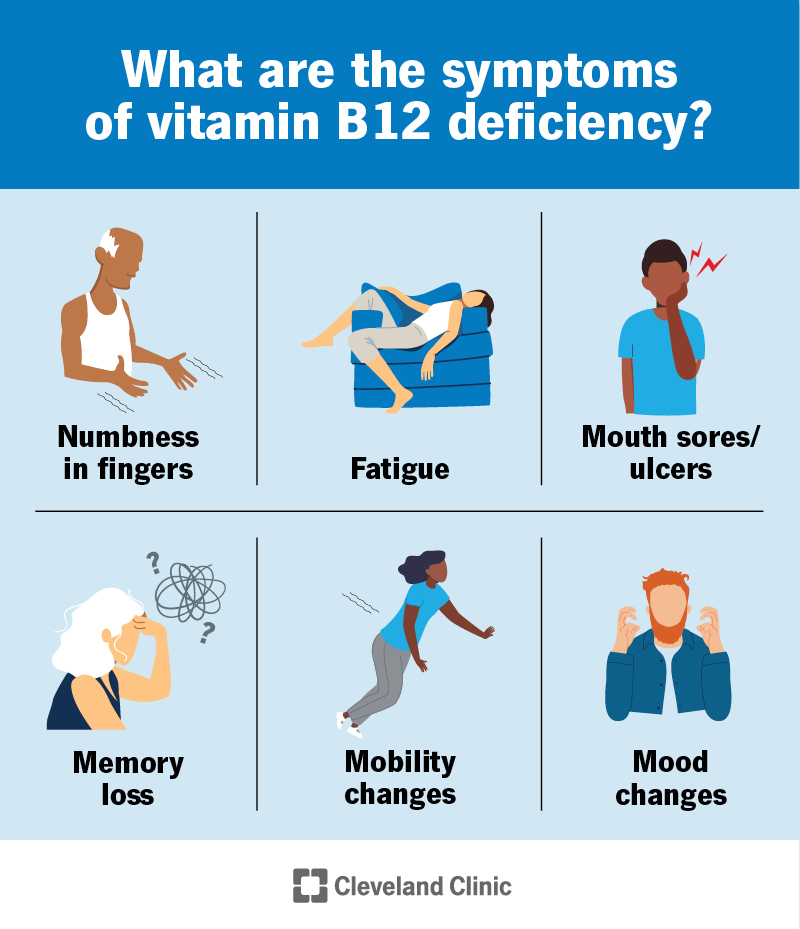
Vitamin B12 symptoms can be subtle but affect nerves and blood cells. B12 is essential for brain function and making red blood cells. Deficiency leads to fatigue, memory problems, and tingling in hands or feet.
Common signs include:
Weakness and tiredness
Numbness or tingling in limbs
Difficulty walking or balance problems
Memory loss and confusion
Glossy, swollen tongue
Vitamin deficiency causes include poor absorption, vegetarian diets, or certain medications. Testing B12 levels is important in vitamin deficiency diagnosis. Women with low B12 often need supplements or injections.
Maintaining adequate B12 supports female nutritional health and prevents nerve damage. Animal products like eggs, milk, and meat are good sources.
Folate Insufficiency
Folate deficiency effects are serious, especially for women of childbearing age. Folate helps make DNA and red blood cells. Lack of folate can cause anemia and birth defects during pregnancy.
Signs of folate insufficiency include:
Fatigue and weakness
Headache and irritability
Shortness of breath
Pale skin
Difficulty concentrating
Vitamin deficiency causes may be poor diet, alcohol use, or certain medications. Folate is found in leafy greens, beans, and fortified cereals. Women’s health vitamins often contain folic acid to prevent deficiency.
Regular blood tests help with vitamin deficiency diagnosis. Early treatment improves energy and reduces health risks.
Credit: pharmasynth.in
Physical Symptoms
Vitamin deficiencies often show up through clear physical symptoms in women. These signs can affect hair, skin, nails, muscles, and overall energy. Noticing these symptoms early helps in addressing Nutritional Deficiencies In Women before they worsen. Physical changes act as Vitamin Deficiency Warning Signs, guiding women toward better Women'S Health Nutrition and care.
Hair And Skin Changes
Hair loss and skin issues are common Signs Of Low Vitamins. Hair Loss Vitamin Deficiency often causes thinning, dryness, and breakage. Vitamins like biotin, vitamin D, and iron play vital roles in maintaining healthy hair.
Skin Changes Due To Vitamins show as dryness, redness, or slow healing. Lack of vitamin C, vitamin A, and E can lead to dull, rough, or flaky skin.
Brittle, dry hair may signal low biotin or zinc.
Red, irritated skin can indicate vitamin B3 (niacin) deficiency.
Slow wound healing often links to low vitamin C.
Pale skin may suggest iron or vitamin B12 deficiency.
Table below shows common hair and skin symptoms linked to vitamin shortages:
Symptom | Possible Vitamin Deficiency |
|---|---|
Hair thinning and loss | Biotin, Iron, Vitamin D |
Dry, flaky skin | Vitamin A, Vitamin E |
Redness and irritation | Vitamin B3 (Niacin) |
Pale, sallow skin | Iron, Vitamin B12 |
Recognizing Hair Loss Vitamin Deficiency and Skin Changes Due To Vitamins can prompt timely care. These symptoms affect confidence and comfort, making early action important.
Nail Weakness
Nail health reflects many internal vitamin levels. Brittle Nails Vitamin Lack is a common sign of poor nutrition. Nails may become thin, cracked, or develop white spots.
Vitamins like biotin, iron, and zinc support strong nails. Their deficiency leads to weak, slow-growing nails prone to damage.
Cracking or splitting nails suggest low biotin or vitamin C.
White spots on nails can indicate zinc deficiency.
Slow nail growth may be due to iron or B vitamins lack.
Women should watch for these Vitamin Deficiency Symptoms in nails. Early signs help avoid more severe Nutritional Deficiencies In Women.
Table below summarizes nail symptoms and related vitamin shortages:
Nail Symptom | Vitamin Deficiency |
|---|---|
Brittle, cracked nails | Biotin, Vitamin C |
White spots | Zinc |
Slow growth | Iron, B Vitamins |
Muscle Cramps
Muscle cramps cause sudden, painful contractions. Muscle Cramps Causes often include low levels of magnesium, potassium, calcium, or vitamin D.
Vitamin D deficiency affects calcium absorption, leading to cramps and spasms. Magnesium helps muscles relax, so its lack causes tightness.
Frequent cramps may signal low magnesium or potassium.
Muscle spasms can occur with vitamin D deficiency.
Leg cramps at night often link to calcium shortage.
These Vitamin Deficiency Warning Signs affect daily activities and comfort. Addressing them supports Women'S Health Nutrition and muscle health.
Common Muscle Cramps Causes and vitamin links appear in the table below:
Muscle Symptom | Vitamin/Mineral Deficiency |
|---|---|
Frequent muscle cramps | Magnesium, Potassium |
Spasms and twitching | Vitamin D |
Leg cramps at night | Calcium |
Fatigue And Weakness
Fatigue Vitamin Deficiency is a common and frustrating symptom. Low iron, vitamin B12, and folate often cause tiredness and weakness in women.
These vitamins help carry oxygen in the blood and support energy production. Lack of them reduces stamina and focus.
Constant tiredness signals iron or vitamin B12 shortage.
Weak muscles may link to folate or vitamin D deficiency.
Poor concentration often occurs with low B vitamins.
Fatigue affects mood and productivity, making it a key Vitamin Deficiency Symptom. Proper Women'S Health Nutrition restores energy and strength.
Table summarizes fatigue and weakness causes related to vitamins:
Symptom | Vitamin Deficiency |
|---|---|
Fatigue and tiredness | Iron, Vitamin B12 |
Muscle weakness | Folate, Vitamin D |
Poor focus | B Vitamins |
Cognitive And Emotional Indicators
Vitamin deficiency symptoms often show up in many ways, especially in women. One key area affected is the brain and emotions. Cognitive and emotional indicators reveal how nutritional deficiencies in women impact their daily life and well-being. Signs like mood swings, memory issues, and concentration problems can point to lack of essential nutrients. Recognizing these signs early helps address vitamin B12 deficiency signs, iron deficiency anemia symptoms, and other important health concerns. Women’s health vitamins play a big role in preventing cognitive impairment vitamins issues and mood disorders and vitamins problems.
Mood Swings
Mood swings can be a clear sign of vitamin deficiency symptoms in women. Low levels of certain vitamins affect brain chemicals that control emotions. For example, Vitamin B12 deficiency signs often include irritability and sudden mood changes. Folate deficiency indicators also link to feelings of sadness or anxiety.
Common mood-related symptoms caused by vitamin deficiency include:
Sudden feelings of sadness or irritability
Increased anxiety and stress
Feeling tired or weak emotionally
Difficulty managing anger or frustration
Table below shows vitamins related to mood disorders and vitamins effects:
Vitamin | Effect on Mood | Common Symptoms |
|---|---|---|
Vitamin B12 | Supports brain chemicals for mood regulation | Depression, irritability, fatigue |
Folate (Vitamin B9) | Helps produce serotonin and dopamine | Depression, anxiety, mood swings |
Vitamin D | Regulates mood and immune function | Low mood, fatigue, anxiety |
Women’s health vitamins should include these essential nutrients to reduce mood swings. Paying attention to mood changes helps spot nutritional deficiencies in women early.
Memory Issues
Memory issues often signal cognitive impairment vitamins problems. Vitamin deficiencies in women can cause forgetfulness and difficulty recalling information. Vitamin B12 deficiency signs are especially linked to poor memory and confusion.
Signs of memory problems from vitamin deficiency symptoms include:
Forgetting recent events or conversations
Difficulty learning new information
Feeling mentally foggy or slow
Confusion and trouble making decisions
Iron deficiency anemia symptoms also affect brain function and memory. Low iron reduces oxygen flow to the brain, harming memory and focus.
Key vitamins for memory health:
Vitamin B12: Protects nerve cells and supports brain signals
Folate: Needed for DNA and brain cell function
Iron: Helps carry oxygen to brain cells
Vitamin E: Acts as an antioxidant protecting brain tissue
Women should include these nutrients in their diet or supplements. Early attention to memory issues improves overall women’s health and quality of life.
Concentration Problems
Concentration and nutrition are closely linked. Nutritional deficiencies in women often cause concentration problems and difficulty focusing. Lack of essential vitamins disrupts brain function and energy levels.
Common concentration problems linked to vitamin deficiency symptoms include:
Difficulty staying focused on tasks
Easily distracted or forgetful
Slow thinking or mental fatigue
Problems organizing thoughts or work
Vitamin B12 deficiency signs and folate deficiency indicators both affect concentration. Low calcium deficiency effects may also cause brain fog and poor focus.
Important vitamins for concentration and brain health:
Vitamin | Role in Concentration | Symptoms of Deficiency |
|---|---|---|
Vitamin B12 | Supports nerve function and energy | Fatigue, poor focus, confusion |
Folate (B9) | Essential for brain cell function | Brain fog, poor concentration |
Calcium | Helps nerve signals and brain function | Mental fatigue, confusion |
Iron | Improves oxygen delivery to brain | Fatigue, difficulty concentrating |
Adding women’s health vitamins rich in these nutrients supports better focus and mental clarity. Concentration problems often improve after correcting vitamin deficiencies.
Reproductive Health Signs
Vitamin deficiency can have a strong impact on women's reproductive health. Nutrient deficiency signs often show up in this area first. These signs include changes in menstrual cycles, trouble conceiving, and complications during pregnancy. Understanding these vitamin deficiency symptoms helps women take better care of their bodies. Many women's health vitamins support hormonal balance and reproductive function. Deficiencies in key vitamins like B12, D, calcium, and iron can disrupt the delicate balance needed for healthy reproductive health.
Irregular Periods
One of the most common vitamin deficiency symptoms affecting reproductive health is irregular periods. Missing or delayed periods can signal a lack of certain vitamins that regulate hormones.
Vitamin B12 deficiency women often experience fatigue and irregular cycles.
Calcium deficiency in women may cause hormonal imbalance vitamins to drop, disrupting menstruation.
Vitamin D deficiency effects also include changes in the menstrual cycle.
These deficiencies interfere with hormone production, causing cycles to become unpredictable. Irregular periods can lead to other health issues if left untreated.
Vitamin | Effect on Periods | Common Symptoms |
|---|---|---|
Vitamin B12 | Disrupts hormone levels | Fatigue, irregular cycles |
Calcium | Affects hormonal balance | Missed periods, cramps |
Vitamin D | Regulates menstrual health | Irregular or heavy bleeding |
Fertility Challenges
Vitamin deficiencies can cause serious fertility challenges. The body needs certain nutrients to maintain reproductive health and support conception.
Iron deficiency anemia symptoms often include poor ovulation and reduced fertility. Malnutrition signs in females can also reduce egg quality and hormone production.
Low levels of Vitamin B12 and Vitamin D affect fertility hormones.
Deficiency in folate, found in many women's health vitamins, can lower chances of pregnancy.
Calcium deficiency affects the uterine lining needed for embryo implantation.
Many women do not realize the prenatal vitamin importance for fertility. Taking the right supplements can improve reproductive health and increase the chance of conceiving.
Pregnancy Complications
Vitamin deficiencies increase the risk of pregnancy complications. Expecting mothers need more nutrients to support both their health and the baby's growth.
Malnutrition signs in females during pregnancy can lead to problems like low birth weight and preterm labor. Vitamin B12 deficiency women often face neurological issues in babies.
Here are key vitamin concerns during pregnancy:
Iron deficiency anemia symptoms cause fatigue and increase risk of complications.
Low calcium levels affect bone development in the fetus.
Poor Vitamin D levels can cause pregnancy-induced hypertension.
Prenatal vitamin importance cannot be overstated. Proper supplementation helps prevent these risks and promotes a healthy pregnancy.
Diet And Lifestyle Factors
Vitamin deficiency symptoms in women often result from various diet and lifestyle factors. These factors influence how the body receives and uses essential nutrients. Understanding these causes helps identify malnutrition indicators and prevent long-term health problems. Many women may face nutritional deficiencies due to poor eating habits, absorption issues, or medication effects. These elements can lead to signs of anemia in women, vitamin B12 deficiency signs, and other health concerns. Paying attention to women’s health vitamins and how lifestyle affects nutrient levels is crucial for overall wellness.
Poor Nutritional Intake
Poor nutritional intake remains a common cause of vitamin deficiency symptoms in women. Skipping meals, eating processed foods, or following restrictive diets can limit essential vitamins and minerals. Women with insufficient intake of fruits, vegetables, whole grains, and protein may develop nutritional deficiencies in females. This often results in iron deficiency symptoms, fatigue, and weakened immunity.
Common dietary issues leading to poor vitamin intake:
Low consumption of iron-rich foods like red meat and leafy greens
Inadequate vitamin B12 sources, especially in vegetarian or vegan diets
Limited intake of vitamin D from sunlight or fortified foods
Skipping breakfast or irregular meal patterns
Here is a simple table showing key vitamins and their common dietary sources:
Vitamin | Common Food Sources | Deficiency Signs |
|---|---|---|
Vitamin B12 | Meat, fish, dairy, eggs | Fatigue, numbness, memory issues |
Iron | Red meat, spinach, beans | Weakness, pale skin, dizziness |
Vitamin D | Sunlight, fortified milk, fish | Bone pain, muscle weakness |
Addressing poor nutrition is vital to reduce vitamin deficiency causes and improve health.
Absorption Issues
Vitamin absorption problems can cause serious vitamin deficiency symptoms, even with a good diet. The body may fail to absorb vitamins properly due to certain health conditions or lifestyle factors. Women with digestive disorders like celiac disease or Crohn’s disease often show malnutrition indicators. These conditions damage the gut lining, reducing nutrient uptake.
Common absorption problems include:
Low stomach acid, which hinders vitamin B12 absorption
Pancreatic enzyme deficiencies affecting fat-soluble vitamin uptake
Intestinal inflammation disrupting nutrient transport
Overgrowth of harmful bacteria competing for nutrients
Vitamin absorption issues can lead to signs of anemia in women and other nutrient shortfalls. Women may experience symptoms such as tiredness, brittle nails, and poor concentration.
Testing for vitamin absorption problems helps identify hidden nutritional deficiencies in females. Treatment may include enzyme supplements, dietary changes, or addressing underlying diseases. Monitoring women’s health vitamins ensures adequate nutrient levels despite absorption challenges.
Medication Effects
Some medications cause medication-induced vitamin loss, affecting nutrient levels in women. Long-term use of certain drugs can reduce the absorption or increase the excretion of key vitamins and minerals. This leads to vitamin deficiency symptoms and worsens nutritional status.
Examples of medication effects on vitamins:
Proton pump inhibitors (PPIs): Lower stomach acid, causing vitamin B12 deficiency signs.
Metformin: Used in diabetes, linked to reduced vitamin B12 absorption.
Diuretics: Increase loss of potassium, magnesium, and calcium.
Anticonvulsants: Affect vitamin D metabolism, leading to bone health issues.
Women taking these medications may experience iron deficiency symptoms, fatigue, and other malnutrition indicators. Regular monitoring and possible supplementation of women’s health vitamins help manage these risks.
Always consult healthcare providers to balance medication use with nutritional needs. Awareness of vitamin deficiency causes related to drugs improves overall health and prevents complications.
Testing And Diagnosis
Recognizing vitamin deficiency symptoms is crucial for female health. Testing and diagnosis help confirm if vitamin gaps affect your body. Early detection prevents complications linked to nutritional deficiencies in women. Several methods identify clinical signs of vitamin deficiency. These include blood tests and physical exams. Understanding these processes aids in managing micronutrient deficiency effectively.
Blood Tests
Blood tests provide clear evidence of vitamin and mineral levels in the body. They are essential to detect issues like iron deficiency anemia, vitamin B12 deficiency signs, and folate deficiency indicators. Doctors often order these tests when malnutrition signs or other vitamin deficiency symptoms appear.
Common blood tests include:
Complete Blood Count (CBC): Checks red and white blood cells, useful for iron deficiency anemia.
Serum Vitamin B12 Test: Measures vitamin B12 levels to identify deficiency signs.
Vitamin D Test: Detects vitamin D deficiency symptoms, which affect bone health.
Folate Test: Assesses folate levels, important for cell growth and preventing anemia.
Below is a simple table summarizing common blood tests used for vitamin assessment:
Test Name | Purpose | Common Deficiency Detected |
|---|---|---|
Complete Blood Count (CBC) | Measures blood cell counts | Iron Deficiency Anemia |
Vitamin B12 Test | Measures vitamin B12 levels | Vitamin B12 Deficiency Signs |
Vitamin D Test | Measures vitamin D levels | Vitamin D Deficiency Symptoms |
Folate Test | Measures folate levels | Folate Deficiency Indicators |
Blood tests are fast and reliable. They guide doctors to choose the right treatment for female health vitamin gaps. Regular screening helps catch micronutrient deficiency early.
Physical Exams
Physical exams reveal visible clinical signs of vitamin deficiency. Doctors look for malnutrition signs and other symptoms during checkups. These exams complement blood tests by showing how deficiencies affect the body externally.
Common signs checked during physical exams include:
Pale skin or gums, often linked to iron deficiency anemia.
Cracks around the mouth or a swollen tongue, signs of vitamin B12 deficiency.
Bone tenderness or muscle weakness related to vitamin D deficiency symptoms.
Slow wound healing or brittle nails due to folate deficiency indicators.
Doctors may also assess:
Reflexes and muscle strength.
Neurological function to detect nerve damage from vitamin B12 deficiency signs.
Hair and skin health.
Physical exams provide immediate clues about nutritional deficiencies in women. They help track progress during treatment. Regular exams ensure early detection of micronutrient deficiency, improving overall health outcomes.
When To See A Doctor
Knowing when to see a doctor is key for managing vitamin deficiency symptoms. Early medical advice prevents severe health issues caused by female health vitamin gaps. Seek help if you notice persistent signs like extreme fatigue, pale skin, or muscle weakness.
Other red flags include:
Numbness or tingling in hands and feet, linked to vitamin B12 deficiency signs.
Bone pain or frequent fractures, indicating vitamin D deficiency symptoms.
Unusual bruising or bleeding, which may suggest folate deficiency indicators.
Shortness of breath or rapid heartbeat, common in iron deficiency anemia.
Consult a healthcare provider if you experience:
Sudden weight loss or loss of appetite.
Persistent digestive problems like diarrhea or constipation.
Changes in mood or mental health.
Any malnutrition signs that worsen over time.
Doctors perform tests and physical exams to diagnose micronutrient deficiency. Early visits improve treatment success. Do not ignore vitamin deficiency symptoms to protect your health.
Prevention And Management
Vitamin deficiency symptoms often signal underlying nutritional gaps in women. Prevention and management focus on restoring balance and supporting overall health. Addressing micronutrient imbalance in females requires a clear plan involving diet, supplements, and lifestyle changes. This approach helps reduce risks like iron deficiency anemia and vitamin B12 deficiency signs. Women’s health vitamins play a key role in maintaining well-being and energy levels. Early action improves quality of life and prevents complications related to vitamin D deficiency effects and other nutritional deficiencies in women.
Balanced Diet Tips
A balanced diet is essential for preventing vitamin deficiencies. Eating a variety of foods ensures intake of all important nutrients. Healthy eating tips include focusing on fruits, vegetables, whole grains, and protein sources. These foods provide vitamins like B12, D, and iron, which are critical for women’s health.
Include leafy greens such as spinach and kale for iron and vitamin C.
Consume dairy or fortified alternatives for vitamin D and calcium.
Eat lean meats, fish, and eggs to boost vitamin B12 levels.
Add nuts and seeds for vitamin E and healthy fats.
Choose whole grains to enhance fiber and B vitamins.
Food Group | Key Vitamins | Benefits |
|---|---|---|
Leafy Greens | Iron, Vitamin C, Folate | Supports blood health and immunity |
Dairy & Fortified Foods | Vitamin D, Calcium | Strengthens bones and muscles |
Meat & Fish | Vitamin B12, Iron | Boosts energy and red blood cells |
Nuts & Seeds | Vitamin E, Healthy Fats | Protects cells and supports skin health |
Following these healthy eating tips helps reduce micronutrient imbalance in females. Regularly varying food choices supports long-term vitamin balance.
Supplement Options
Diet alone may not always meet vitamin needs, especially with nutritional deficiencies in women. Dietary supplements for women can fill gaps. Popular supplements target iron deficiency anemia, vitamin B12 deficiency signs, and vitamin D deficiency effects. Choosing the right supplement depends on individual needs and health status.
Common supplements include:
Iron supplements to improve red blood cells and energy.
Vitamin B12 supplements for nerve function and blood health.
Vitamin D tablets or drops to support bone strength and immunity.
Multivitamins designed for women’s health vitamins.
Consult a healthcare provider before starting supplements. Overuse can cause imbalances or side effects. Testing blood levels helps identify specific micronutrient deficiencies. Supplements work best alongside a balanced diet and healthy lifestyle factors affecting vitamins.
| Supplement | Purpose | Recommended Use |
|---|---|---|
| Iron | Prevent and treat iron deficiency anemia | Daily, with food to improve absorption |
| Vitamin B12 | Support nerve health and energy | Daily or weekly, as advised |
| Vitamin D | Enhance bone health and immunity | Daily, especially in low sunlight areas |
| Multivitamin | Cover multiple micronutrient gaps | Daily, with meals |
Lifestyle Changes
Lifestyle factors affect vitamin absorption and overall nutrient status. Managing lifestyle changes helps reduce micronutrient imbalance in females. Some habits impact how the body uses vitamins and minerals. Adjusting these habits supports prevention and management of vitamin deficiency symptoms.
Key lifestyle changes include:
Regular physical activity boosts metabolism and improves nutrient use.
Avoid smoking and excessive alcohol as they reduce vitamin absorption.
Manage stress to prevent nutrient depletion caused by the body’s response.
Ensure adequate sunlight exposure for natural vitamin D production.
Get enough sleep to support recovery and nutrient balance.
Tracking lifestyle factors affecting vitamins helps maintain optimal health. Combining these changes with diet and supplements strengthens the body’s defense against nutritional deficiencies in women.
Credit: my.clevelandclinic.org
Frequently Asked Questions
What Are Common Signs Of Vitamin Deficiency In Women?
Common signs include fatigue, hair loss, brittle nails, pale skin, and frequent infections. These symptoms often indicate low levels of vitamins like B12, D, or iron. Early detection helps prevent serious health issues and supports overall well-being.
How Does Vitamin D Deficiency Affect Women's Health?
Vitamin D deficiency can cause bone pain, muscle weakness, and increased risk of fractures. It also impacts immune function and mood. Women with low vitamin D may experience fatigue and higher susceptibility to illnesses.
Which Vitamins Are Most Important For Women's Health?
Key vitamins for women include B12, D, folate, and iron. They support energy, bone health, pregnancy, and immune function. A balanced diet or supplements can help maintain adequate vitamin levels.
Can Vitamin Deficiency Cause Hair Loss In Women?
Yes, deficiencies in vitamins B7 (biotin), B12, D, and iron often lead to hair thinning or hair loss. Proper nutrition and supplements can help restore hair health and growth.
Conclusion
Vitamin deficiencies can affect a woman’s health in many ways. Small signs like tiredness, weak nails, or dry skin should not be ignored. Eating a balanced diet helps keep vitamins at the right level. Regular check-ups with a doctor can catch problems early.
Taking care of your body means feeling better every day. Watch for these signs and act quickly. Your health matters. Stay informed and stay healthy.


