
How Does Blood Flow in the Legs? Unveil Circulatory Secrets
Blood flow in the legs moves from the heart through arteries and returns via veins. Proper circulation relies on a network of vessels and muscle contractions.

Understanding leg blood flow is crucial for overall health. Legs are a fundamental part of the circulatory system, working against gravity to return blood to the heart. This journey begins with the pumping of oxygen-rich blood by the heart down the aorta and into the lower body through a series of branching arteries.
The arteries then divide into smaller arterioles and capillaries where oxygen exchange occurs. Deoxygenated blood is then collected by venules that converge into veins, which use one-way valves and the help of muscle contractions to push blood back to the heart. This process is essential for nourishing leg tissues and maintaining bodily functions. Poor circulation in the legs can lead to complications, making it essential to keep active and maintain a healthy cardiovascular system.
Introduction To Leg Circulation
Welcome to the fascinating journey through the circulatory pathways in our legs. The ability to stand, walk, and run hinges on the intricate system behind leg circulation. This post delves into the life-sustaining process that powers every step we take.
Understanding The Vascular System Of The Legs
The legs contain a network of blood vessels. This network includes arteries, veins, and capillaries. Arteries deliver oxygen-rich blood from the heart to the leg muscles. Veins return oxygen-depleted blood back to the heart. Capillaries connect arteries and veins. They also exchange nutrients and waste at the cellular level. Muscle contractions help pump blood through veins back to the heart.
The Importance Of Healthy Blood Flow In The Legs
Optimal blood circulation is vital for leg health. Good flow maintains muscle function and skin integrity. It also helps in healing wounds and preventing swelling. Poor circulation can lead to conditions like varicose veins, blood clots, and peripheral artery disease. Maintaining a healthy lifestyle supports robust circulation. Activities like walking, stretching, and leg exercises promote healthy leg circulation.
Anatomical Overview Of Leg Circulation
Blood flow in the legs is a vital aspect of our circulatory system. This system provides nutrients and oxygen to leg tissues. It also removes waste products. Let's explore the structure and function of leg circulation.
The Heart's Role In Lower Limb Circulation
The heart pumps blood through the body. Blood leaves the heart to the legs through arteries. It returns through veins. This cycle is constant, supporting leg health and function.
Major Blood Vessels In The Legs
- Femoral artery: Delivers blood to the thigh.
- Popliteal artery: Supplies the knee area.
- Tibial arteries: Carry blood to the lower leg and foot.
- Great saphenous vein: Channels blood back to the heart.
Arteries Vs. Veins: The Pathways Of Circulation
| Arteries | Veins |
|---|---|
| Carry oxygen-rich blood from the heart to the legs. | Return used blood back to the heart for re-oxygenation. |
| Have thick, elastic walls to handle high pressure. | Have valves to prevent blood from flowing backward. |
Arteries and veins work together to maintain circulation in the legs. This partnership ensures our legs function properly.
The Mechanics Of Blood Flow In The Legs
The mechanics of blood flow in the legs ensure that every step you take is powered by a complex and efficient system. This system brings oxygen and nutrients to your leg muscles. Then it takes waste products away. Let's dive into how this amazing process works in your body.
Arterial Blood Flow: Oxygenated Blood To Leg Muscles
Think of arteries like highways. They carry fresh, oxygen-rich blood from your heart to your legs. Every time your heart beats, it pumps this blood down these highways.
- The aorta branches off into smaller roads called arteries.
- These arteries keep branching into tiny streets known as arterioles.
- Arterioles finally reach your leg muscles with vital oxygen for energy.
Venous Return: The Journey Back To The Heart
Once the blood has delivered oxygen, it needs to go back to the heart. This is the job of the veins. Imagine veins as return flights taking tired, oxygen-poor blood back home.
Leg muscles help pump this blood up against gravity. Valves in the veins open and close to keep blood flowing one way. This trip back is crucial for your body to get rid of carbon dioxide and other waste.
The Role Of Capillaries In Nutrient Exchange
Capillaries are like neighborhood shops where the actual exchange happens. They are tiny blood vessels between arteries and veins.
In the legs, capillaries drop off nutrients to cells and pick up waste. This is how every cell stays healthy and gets what it needs.
| Arterial Side | Capillary Network | Venous Side |
|---|---|---|
| Oxygen and nutrients transported to tissues | Site of exchange for nutrients, gases, and waste | Waste and carbon dioxide removal begins |
Regulatory Mechanisms In Leg Circulation
The human body is a marvel of engineering, especially when examining how blood circulates through the legs. Comprehending the regulatory mechanisms in leg circulation provides insight into how our bodies ensure that blood reaches every necessary corner, even against the pull of gravity. Delve into the precision of this system that keeps our legs functioning optimally, from the micro-valves in our veins to the powerhouse muscles aiding in venous return.
Valves In Veins: Preventing Backflow
Amidst the network of leg veins, tiny structures known as valves play a crucial role. Their primary task is to prevent the backward flow of blood. Picture these valves as microscopic gates that open and close with every heartbeat ensuring a one-way trip upwards. This seamless mechanism keeps blood moving efficiently toward the heart, defying gravity's pull.
Vasoconstriction And Vasodilation: Managing Blood Flow
The diameter of blood vessels is not fixed; it changes to control the flow of blood. Vasoconstriction refers to the narrowing of blood vessels, which increases blood pressure. Conversely, vasodilation is the widening of these pathways, allowing for increased blood flow and decreased blood pressure. The body balances these two processes to maintain optimal blood circulation in the legs.
Muscle Pump Effect: Enhancing Venous Return
Leg muscles do more than enable movement; they act as a pump for venous blood. When muscles contract, they squeeze the veins, pushing blood back towards the heart. This is known as the muscle pump effect. Each step we take triggers this pump, enhancing venous return and ensuring life-sustaining blood circulation throughout the lower extremities.
Circulatory Challenges In The Legs
Your legs carry you through the day and support your body’s weight, but they also tackle the sheer task of receiving a continuous blood supply. Proper blood flow in your legs maintains crucial functions and health. So, what happens when circulation in the legs faces challenges?
Common Causes Of Poor Leg Circulation
Poor leg circulation occurs when blood flow meets resistance. This can arise from several factors:
- Peripheral artery disease (PAD): Arteries narrow, reducing blood flow.
- Diabetes: Excess sugar in blood damages arteries over time.
- Obesity: Extra weight strains the vessels in your legs.
- Smoking: Harmful compounds in cigarettes can constrict arteries.
- High blood pressure: Forces blood through vessels aggressively.
Symptoms And Signs Of Circulatory Problems In The Legs
Recognizing symptoms early is key to managing circulatory issues:
| Symptom | Description |
|---|---|
| Leg pain while walking | Aching or cramping triggered by movement. |
| Swelling in the legs or feet | Fluid build-up due to poor blood flow. |
| Numbness or weakness | Reduced sensation or strength in the legs. |
| Cold legs or feet | Decreased temperature signals poor circulation. |
| Varicose veins | Twisted, enlarged veins; often bluish in color. |
| Color changes | The skin may get pale, bluish, or reddish. |
Be aware of these signs to seek help promptly.
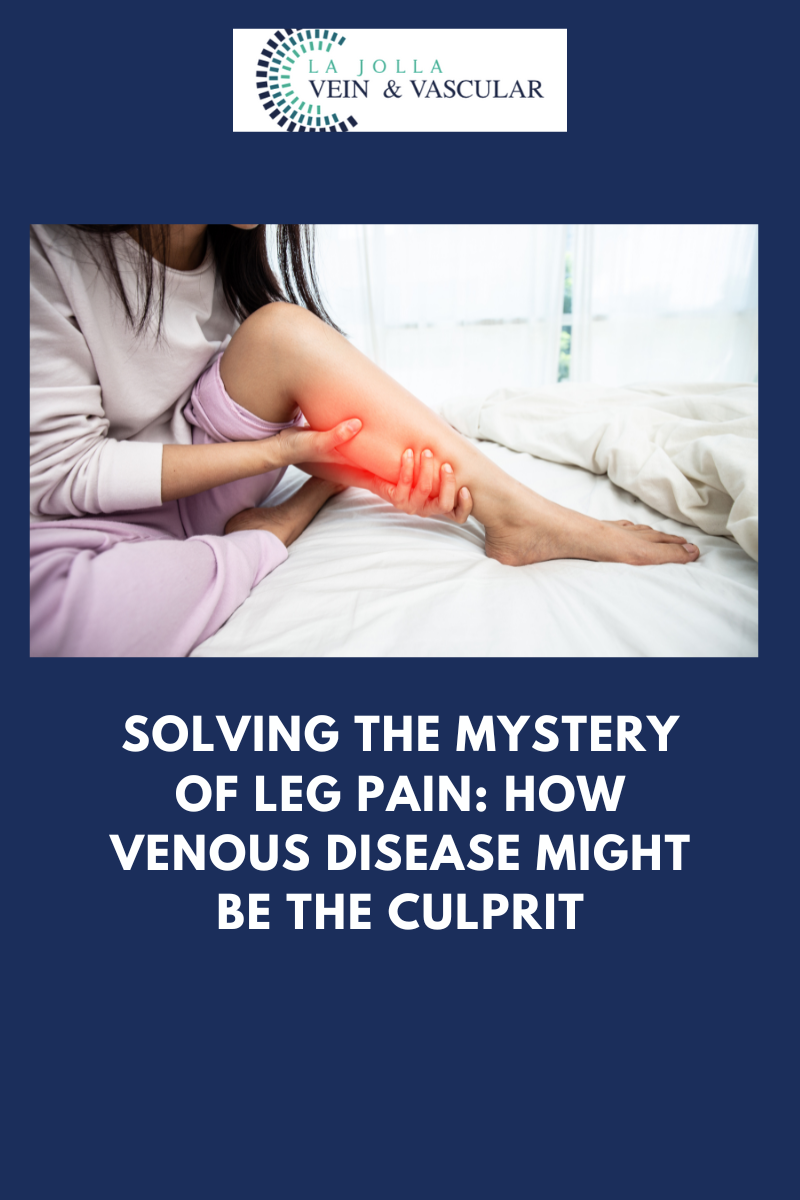
Credit: ljvascular.com
Medical Conditions Affecting Leg Circulation
Healthy blood flow in our legs is vital. Yet, certain medical issues can disrupt it. Let's explore how these conditions affect circulation in the legs.
Peripheral Artery Disease (pad) And Blood Flow
Peripheral Artery Disease (PAD) narrows blood vessels in the legs. This reduction means less blood reaches your muscles. Signs include leg pain while walking or climbing stairs.
- Claudication: Cramping caused by poor blood flow.
- Numbness: A sign of decreased circulation.
- Color Changes: Skin may look pale or blue.
Deep Vein Thrombosis (DVT) And Its Impact
A Deep Vein Thrombosis (DVT) is a clot in a deep leg vein. It blocks blood from flowing back to the heart. Symptoms can be swelling or pain in one leg.
Risks include:
| Immobility | Injury | Medication |
|---|---|---|
| Sitting long can slow flow. | Trauma can trigger clotting. | Some drugs increase risk. |
Varicose Veins And Circulatory Efficiency
Twisted, enlarged varicose veins can hurt and itch. They form from faulty valves in the veins. Blood pools, making circulation less efficient.
- Elevate legs to ease pain.
- Wear compression stockings.
- Exercise to improve flow.
Prevention And Treatment Strategies
Ensuring healthy blood flow in your legs is vital for your overall well-being. This is even more crucial for those who lead sedentary lifestyles or have underlying health conditions. You can prevent circulation problems in your legs through simple lifestyle adjustments and medical treatments. For more severe cases, surgical options may provide relief. Let's dive into the strategies for maintaining optimal leg circulation.
Lifestyle Modifications For Improved Leg Circulation
Active living boosts leg health. It's essential to incorporate exercises that promote blood flow. Daily activities can include:
- Walking - A brisk 30-minute walk helps.
- Swimming - Reduces strain on the legs while improving circulation.
- Cycling - An excellent way to engage your leg muscles.
Standing or sitting for long periods can impede blood flow. Set a reminder to:
- Stretch every hour
- Switch positions frequently
- Go for short, regular walks
Maintain a healthy diet. Focus on foods that support vascular health, such as:
- Fatty fish rich in Omega-3
- Colorful fruits and vegetables
- Nuts and seeds for healthy fats
Quit smoking and moderate alcohol intake. Both habits can negatively affect circulation.
Medical Interventions And Therapies
Medical treatments can help when lifestyle changes aren't enough. There are non-invasive options:
| Intervention | Purpose | Frequency |
|---|---|---|
| Compression stockings | Improve venous return | Daily |
| Medications | Prevent blood clots | As prescribed |
| Physical therapy | Enhance mobility | Regular sessions |
Discuss these options with a healthcare provider to find the best fit for your needs.
Exploring Surgical Options For Severe Circulatory Issues
Some situations call for surgical intervention. These procedures can restore proper blood flow. Common surgeries include:
- Angioplasty - A balloon widens the artery.
- Vascular bypass - Reroutes blood around a blockage.
- Stenting - Keeps the artery open.
These surgeries can have significant benefits. Yet, they carry risks. Always seek a second opinion and discuss potential outcomes with your vascular specialist.
Frequently Asked Questions Of How Does Blood Flow In The Legs?
What Are The Symptoms Of Poor Blood Circulation In The Legs?
Poor blood circulation in the legs often results in symptoms such as numbness, tingling, throbbing or stabbing pain, and muscle cramps. Coldness in the feet and changes in skin color may also indicate circulation issues.
What Stimulates Circulation In Legs?
Regular exercise, such as walking or cycling, promotes leg circulation. Massaging your legs and elevating them can also enhance blood flow. Compression stockings are effective for stimulating circulation in the legs.
What Is The Best Position To Sleep In For Leg Circulation?
The best position to sleep for leg circulation is on your back with a pillow under your knees. This elevation promotes blood flow and reduces swelling.
What Is The Best Exercise For Poor Circulation In Legs?
Walking is the best exercise for improving circulation in the legs. Leg lifts, cycling, and yoga also enhance leg blood flow.
What Causes Leg Blood Flow Problems?
Veins and arteries can become narrowed or blocked due to conditions like atherosclerosis, ultimately impairing blood flow to the legs.
How Do Veins Work In The Legs?
Leg veins, aided by muscle contractions and one-way valves, return deoxygenated blood back to the heart against the force of gravity.
Can Walking Improve Leg Circulation?
Regular walking encourages better blood circulation in the legs by strengthening the calf muscles that assist vein function.
Conclusion
Understanding the intricacies of leg blood flow is crucial to maintaining vascular health. By recognizing the signs of poor circulation, you can take proactive steps toward a healthier lifestyle. Remember, active living and a balanced diet go a long way in supporting your veins and arteries.
Keep those legs moving for optimal blood flow!

.png)


